Most players meet jackpot pokies with a mix of excitement and wariness. You can feel the potential when a progressive meter creeps up, yet you also know those life-changing wins are rare. The gap between the dream and the day-to-day reality is where strategy lives. If you want to get the most out of online pokies, including progressive jackpots, you need more than luck. You need to understand game math, casino terms, and the human habits that quietly drain your bankroll.
I have spent years around New Zealand pokie games both online and in pubs. I have seen people burn an entire evening chasing a progressive at minimum bet without the faintest chance of qualifying. I have also watched a player stop after doubling their stake, withdraw, then come back a week later and snag a mid-tier jackpot with a calm, mechanical approach. The difference was not a secret system. It was clarity about how these games pay, how variance works, and how to keep nerves steady.
What jackpots really are, and what they are not
A jackpot is not a promise. It is an event with long odds funded by a small slice of each bet. You meet two broad types in online pokies:
Fixed jackpots sit at a set amount or at predefined tiers (Mini, Minor, Major). Hitting them is unlikely but not astronomical. The pay table tells you what symbols or bonus outcomes trigger the prize.
Progressive jackpots grow with each spin across the network or within one casino. They look enticing because that big number keeps climbing. Keep in mind, the bigger the top prize, the more volatile the game. That means long flat stretches punctuated by rare spikes.
Most modern jackpot pokies also gate the top prize behind certain conditions: maximum bet, specific coin denominations, or qualification during bonus rounds. If a game requires a max bet to be eligible for the jackpot, playing at minimum bet turns the jackpot into a background decoration. You can still win base game prizes, but you are not in the draw for the big one. Always check the info screen. It is the one place the hype needs to match the rules.
Volatility is not the enemy, but you must respect it
In practice, volatility governs your emotional journey. Low-volatility games pat you on the shoulder with frequent small wins. High-volatility jackpot pokies can leave you spinning dry for dozens of rounds. That drought tempts players to chase, to double bet sizes, to throw good money after bad.
A quick gut check helps. If a slot advertises five-figure progressives, holds multiple bonus features, and shows a sparse base pay table, assume high volatility. If you are going after a progressive, plan for downswings. That does not mean despair. It means shaping your session so those downswings do not kick you out before you even reach the bonus features that matter.
In New Zealand pokie games online, volatility is often described in the help file or indirectly revealed by the max win multiple. Anything posting 5,000x or higher tends to swing hard. The path to a jackpot nearly always runs through a bonus round or special symbol collection mechanic, and those features need time and money to surface.
Bankroll design that survives reality
Think in sessions, not spin-by-spin. If you have 200 NZD set aside for the week, do not dump it in one Saturday sprint. Split it across several sessions. Choose a stake play slots onlinepokies.me that gives you at least 200 to 400 spins per session for high-volatility jackpot pokies, and 400 to 800 for medium volatility. Those ranges are not magic, they are practical. You want your sample of spins to be long enough to realistically see some features. At 1 NZD a spin, 200 spins cost about 200 NZD. That might be too steep, so either lower your bet or play a lower-volatility game.
Imagine you favor a popular progressive with a qualifying max bet of 2 NZD. If you only brought 60 NZD to the table, you are entering with 30 spins and a high risk of busting before you ever sniff a feature. Either increase budget or switch to a game with jackpot eligibility at lower bets.
When I coach friends who like online pokies, I set simple rules. Pick a start balance. Pick a cash-out point, say 1.5x your start balance. Pick a loss limit, usually half the bankroll you brought. If you hit either number, stop. Boring saves money. The winners you remember tend to come from people who avoided tilt long enough to still be playing when variance turned.
RTP, contribution, and what those percentages mean
RTP, the return to player, is a long-horizon average. If a pokie advertises 96.5 percent RTP, that includes funds that go to the jackpot meters if the jackpot is part of the game. It does not promise that your session will return that number. In a progressive, the base game RTP often dips as the jackpot slice grows. Some pokies publish a range, for example 94.5 to 96.5 percent, with the higher number active at max coin or with bonus bets enabled.
When you see a progressive meter swell, part of your stake is feeding that. Some games publish the contribution rate, often around 1 to 5 percent of each wager. Higher contribution can make a game feel tight on small wins. If the top prize has just hit, the meter resets to a seeding amount. Right after a hit, the expected value is usually lower than when the meter climbs to uncommon heights. That is why some seasoned players track average hit values and wait until a jackpot has rolled past a historical midpoint before they commit a session. It is not a guarantee, but it nudges the math in your favor.
Eligibility traps that quietly kill value
Two common traps cost players real money. The first is assuming you qualify for the top jackpot at any bet size. The second is ignoring feature bets that improve odds. Many jackpot pokies have a “bonus bet” or “ante” option that increases your stake by, say, 25 percent and boosts the frequency of bonus features. If that option increases the chance of entering the jackpot-eligible mode, the true cost might be worth it. You need to read the details. A clean trade is one where the ante lifts feature frequency by a proportional or better amount compared to the extra cost.
Another trap is autoplay without limits. Autoplay can numb you into pumping more than you planned. If you use it, set stop triggers like total loss, single win over a threshold, or any feature hit. Most regulated New Zealand online casinos offer these controls.
Free spins: friend, not fallback
Free spins are the bread and butter of online pokies promotions. They arrive with wagering requirements. That means the casino gives you spins worth, for example, 0.20 NZD each, and then asks you to wager any winnings 20 to 40 times before withdrawing. High requirements tie your money down longer and increase the chance variance wipes gains. Low requirement offers are strong value, particularly if they apply to the same game you already planned to play.
A smart approach is to stack small advantages. Grab 20 free spins on a medium-volatility game you like, clear them with a calm staking plan, and bank anything that rises above your starting balance plus a small profit. Then move to your jackpot pokies session with a clean head. Do not let a small free spins win push you into upping your base stake beyond your plan. That is how easy value turns into expensive tilt.
Picking the right jackpot pokie for your goals
If your goal is steady entertainment with a small chance at a nice fixed prize, look for games with multiple fixed jackpots that trigger reasonably often, sometimes via collect features. These titles usually let you play meaningful stakes without needing max bet.
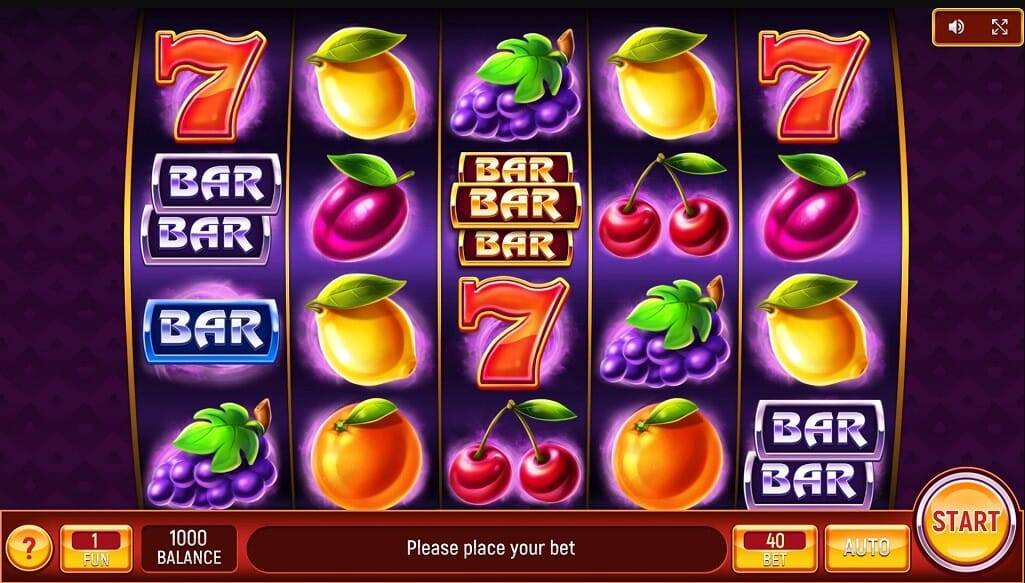
If your goal is a shot at a life-changer, you are hunting progressive jackpots that may only unlock at higher bets or within specific denominations. The trade-off is harsh variance. You will want a deeper bankroll, a strong stop-loss, and a willingness to walk away empty-handed most sessions.
Theme and graphics matter to enjoyment, but focus on structure. Read the pay table. How do you enter the jackpot? Is it a pick game, a wheel, a random feature, or symbol collection? Does the top prize require a special token only found at max bet? I have seen people play a series for weeks before noticing that the “Grand” tier never lit up unless they toggled the extra coin. That discovery usually arrives after a cold streak, which stings.
The rhythm of a sensible session
A good session starts with a check. Confirm bet size, coin denomination, and eligibility for jackpots and features. Spin for a short warm-up window to feel the tempo, usually 30 to 50 spins. If the game is icy and your bankroll is already dipping to your first guardrail, you can switch to a lower-volatility title for a short reset. That prevents the most common spiral: increasing bet size to “catch up.”
If you hit a bonus, resist the urge to immediately up your stake just pokies because you are “playing with profit.” That is not profit until it is withdrawn. I like to segment profits. If my start was 100 NZD and I climb to 160 NZD, I lock 40 NZD and continue on 120 NZD. If I fall back to 120 NZD again, I call the session done or switch to a non-jackpot game where my stake stretches further. The idea is to always protect at least one step of progress.
When to raise stakes, and when to back off
Raising stakes makes sense when all of these conditions align: you are certain the higher stake improves jackpot eligibility or expected value, your bankroll supports the larger variance, and you can still play a meaningful number of spins. For example, moving from 0.80 NZD to 1.20 NZD per spin to unlock an ante feature that doubles bonus frequency can be rational if you came prepared. Jumping from 0.80 NZD to 4.00 NZD on tilt because a feature did not appear for ten minutes is how sessions end early and badly.
Backing off is often the correct move. If you have consumed half your session bankroll without seeing a feature on a high-volatility title, it is not weakness to switch games. In fact, it preserves your weekly budget and keeps your mind clear. Remember, jackpot pokies do not owe you a feature because you have waited. The game state has no memory.
Local flavour: New Zealand pokie games culture and pace
Players in New Zealand often straddle two worlds. There is the familiar pub machine, where you know the regulars, and the online casinos offering dozens of themed games, progressive networks, and promotions. The shift online adds speed and variety, which can be a blessing and a trap. When you can switch titles in seconds, attention splinters, and careful decision-making slips.
If you prefer the methodical pace of a pub, mimic that rhythm online. Slow down the spin speed. Use the reality checks and session reminders the platform offers. Many NZ-licensed sites nudge you with a time prompt every hour. Do not click past it. Take the reminder as a cue to assess whether you are following your plan.
The myth of hot and cold machines
You will hear debates about machines running hot or cold. In regulated online pokies, outcomes are driven by RNGs audited for fairness. There is no memory of recent outcomes that changes the next spin. Perception plays tricks. If a scatter lands on the first two reels five times in ten minutes, your brain hunts patterns and begs for a third. Then, when it arrives, it feels like destiny fulfilled. That story is fun, but it is also dangerous. Build your plan on rules you can control, not on patterns you imagine.
That said, progressive jackpots do have one pattern worth noting. When a progressive grows past its average hit level and the base RTP adjusts upward because of the inflated meter, the long-run expected value can improve slightly. Some players track thresholds for certain jackpots and only play when the meter crosses them. You still face high variance, but at least you are not donating during the weakest period.
Promotions that actually help
Not all bonuses are equal. Deposit matches with high wagering requirements can lock you into long sessions on games with reduced RTP during bonus play. If you chase jackpots, those restrictions can conflict with max bet rules or with game eligibility for bonus wagering. Scrutinize the terms. If a 100 percent match requires 40x wagering on the bonus and your target jackpot pokie contributes only 10 percent to wagering, you are in for a slog. In that scenario, a simple set of free spins with low or no wagering can offer better real value.
Seasonal promos tied to specific online pokies, especially network jackpots, can be lucrative when they add raffles or leaderboard prizes independent of RNG outcomes. If you are going to spin anyway, an extra layer of prizes nudges the value needle without distorting your plan.
Managing the mental game
The biggest leaks do not come from the pay tables. They come from emotion. Chasing losses, anchoring to near-misses, and revenge-spinning after a bonus pays poorly are all natural impulses. The counter is ritual. Decide your stop-loss before the first spin. Decide your cash-out target. Decide how you will react to a windfall, for instance, withdraw half immediately and continue only with the rest. Decide how you will step away for ten minutes if you feel annoyed or euphoric. Both moods cloud judgment.
It helps to log sessions. Just a simple note with date, game, starting balance, ending balance, and any key emotions you felt. After a month, patterns appear. Maybe you notice that late-night sessions run longer than you planned. Or that you make better choices on Sunday afternoon. Use that data to shape your habits.
Two quick field-tested checklists
- Pre-session checklist: Read the jackpot eligibility rules in the info screen. Confirm your bet size qualifies for the prize tier you want. Set stop-loss and cash-out targets in dollars, not vibes. Decide session length and enable time reminders. Verify whether Free spins or bonuses you hold apply to this game without nasty terms. Mid-session decision points: After any bonus, pause for 30 seconds before changing stakes. If down to half your session bankroll, consider switching to a lower-volatility game. If you hit your target balance, withdraw a portion immediately. If tilt creeps in, take a timed break and lock the device. If a progressive meter you were waiting on is now above your threshold, consider a fresh, focused session rather than chasing within a tired one.
A few grounded examples
I once watched a player take a 150 NZD bankroll into a progressive that required a 1.50 NZD minimum to qualify for the top prize. They set a 300 NZD cash-out target and a 75 NZD stop-loss. After 25 dry minutes they were at 80 NZD, then triggered a bonus that paid 140 NZD. They immediately banked 90 NZD, leaving 130 NZD on the table. Fifteen minutes later, a secondary jackpot tier hit, not the top prize, for around 220 NZD. Because they had banked along the way, they left with more than double their start. The lesson was not that the jackpot hit. It was that structure kept them in the game without panic or greed.
Contrast that with a friend who chased a fixed “Major” on a different title at 2 NZD a spin because the Major had not dropped “in ages.” There was no meter, no rising EV, just a hunch. They doubled their bet size twice after a bad run, burned through 300 NZD, and blamed the machine. The only real culprit was a missing plan.
Online pokies, security, and where you play
Not every site treats players the same. In New Zealand, choose licensed operators with clear responsible gambling tools, transparent game info, and fast withdrawals. Check whether your favorite titles display RTP and volatility details. If a casino buries or omits these, take the hint. Trustworthy operators publish software providers, audit certificates, and game rules without hoops. That transparency lets you make good decisions before you ever click spin.
Technical stability matters too. Progressive jackpots rely on network calls to update meters. A flaky connection can disrupt sessions at ugly moments. If your internet is unstable, avoid bonus hunts and jackpots until you are on solid Wi-Fi or wired data. That simple consideration saves headaches.
Where Free spins fit into a long-term plan
Use Free spins to explore rather than to chase. If you get 50 spins on a new jackpot pokie, treat it as a scouting trip. Learn how features trigger, feel the frequency of small hits, and decide whether the eligibility rules match your budget. If the game forces a high minimum to qualify for jackpots and you prefer lower stakes, you have your answer. You can still enjoy the title for entertainment, but pick a different game when you are in a jackpot mood.
Rotating between two or three familiar games helps too. You learn their rhythms, their dead spots, and their bonus cadence, at least in the rough sense that suits your nerves. Jumping randomly across a dozen games each week is fun, but it makes it hard to hold a plan together.
A practical path forward
Think of jackpot pokies as a hobby with tuition. You pay in time and discipline to master the basics. You will still have losing weeks. The goal is to make those weeks smaller and the winning weeks count. Keep your edges realistic: honest RTP reading, tight bankroll rules, smart use of Free spins, and clear-eyed choices about eligibility and volatility. The jackpots will remain rare. That is part of their magic. But with smarter sessions, you can put yourself in the right place, with the right bet, often enough to let luck notice you.
Most importantly, protect the fun. The sound of a feature landing, the little suspense pauses in a pick game, the shared chat when a progressive drops for someone else, those moments are worth savoring. When your plan is solid, you get to enjoy them without the stomach knots. That is the real win, whether or not the meter smiles on you today.